Ever brought home a beautiful, vibrant haul of fresh fruit from the market, only to find it mushy, moldy, or just plain sad a few days later? You’re not alone. It’s a frustrating cycle that costs money and contributes to food waste. The secret weapon in this battle for freshness is sitting right in your kitchen, but learning How To Store Fruits In Fridge the right way can feel like a mystery. Don’t worry, we’re here to demystify the process, turning your refrigerator into a preservation powerhouse.
Let’s be honest, most of us just toss our produce into the crisper drawers and hope for the best. But what if I told you that with a few simple tweaks, you could extend the life of your berries, keep your apples crisp, and your citrus zesty for much, much longer? It’s not magic; it’s just a little bit of food science. This guide will walk you through everything you need to know, from the science of ripening to a fruit-by-fruit playbook.
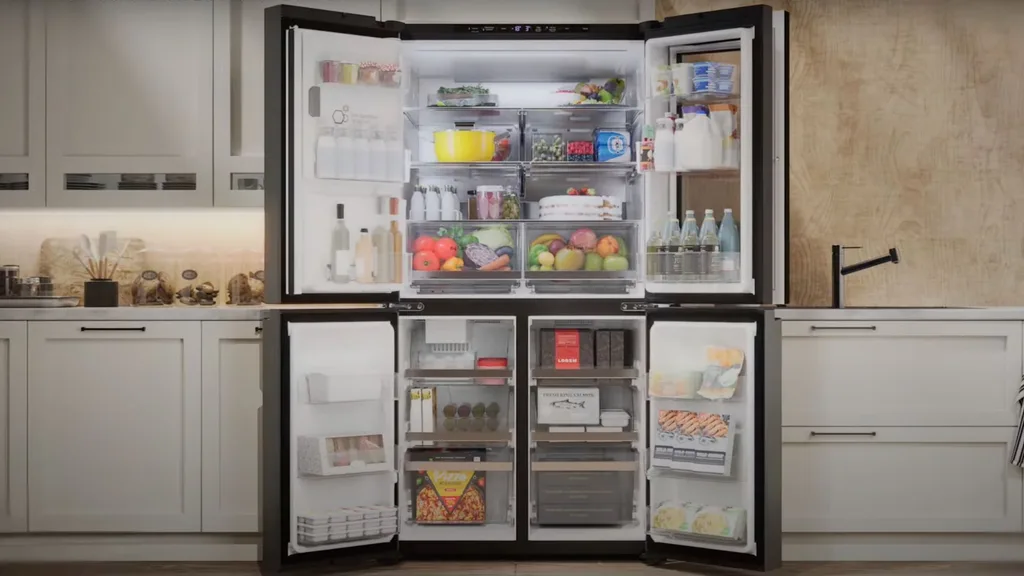
Why Does Proper Fruit Storage Even Matter?
You might be thinking, “It’s just fruit, what’s the big deal?” The big deal is your wallet and the planet. According to the USDA, food waste is a massive issue, and spoiled produce is a major contributor. Perfecting how to store fruits in fridge means you’ll throw away less, save more money on groceries, and enjoy tastier, more nutritious food. When stored correctly, fruit retains its flavor, texture, and vitamin content for longer. It’s a win-win-win.
The Biggest Secret: Ethylene Gas
Before we dive into specific fruits, we need to talk about the invisible force at play inside your fridge: ethylene gas. Think of it as the “ripening hormone” for produce.
What on Earth is Ethylene Gas?
Ethylene is a natural, odorless, and harmless gas that some fruits produce as they ripen. It’s the reason a green banana on your counter turns a perfect yellow (and eventually, a spotty brown). The problem is, this gas doesn’t just affect the fruit producing it; it also affects other produce nearby, causing it to ripen and spoil much faster. The key to successful fruit storage is to play traffic cop: separate the ethylene producers from the ethylene-sensitive items.
The Ethylene Producers: Keep These Apart
These fruits are the heavy hitters when it comes to releasing ethylene. Think of them as the talkative, influential kids in class who get everyone else riled up.
- Apples
- Avocados
- Bananas (especially as they ripen)
- Cantaloupe and Honeydew melons
- Peaches and Plums
- Pears
- Tomatoes (yes, they’re technically a fruit!)
The Ethylene-Sensitive Crew: Protect These Guys
These fruits are highly sensitive to ethylene and will spoil quickly if stored next to the producers. They’re the quiet ones who just want to be left alone.
- Berries (strawberries, blueberries, raspberries)
- Grapes
- Lemons and Limes
- Watermelon
- Cherries
- Leafy Greens (if you’re storing them nearby)
Pro Tip: Your crisper drawers are your best friends in this separation game. Use one drawer for the producers and the other for the sensitive items. It’s a simple change that makes a world of difference.
A Deep Dive into Crisper Drawers
Those two bins at the bottom of your fridge aren’t just for show. They are sophisticated tools designed to control the environment for your produce. Most modern refrigerators have adjustable humidity settings on these drawers, and understanding them is crucial for knowing how to store fruits in fridge.
What Do Those Humidity Sliders Actually Do?
Those little sliders, often labeled “Fruit” and “Veggies” or with a simple low-to-high graphic, control the airflow in the drawer.
- Low Humidity (Slider Open): This setting allows air and ethylene gas to escape. It’s perfect for the ethylene-producing fruits we listed above. Think of it as giving them room to breathe.
- High Humidity (Slider Closed): This setting seals the drawer, trapping moisture. It’s ideal for produce that wilts easily, like leafy greens, and most ethylene-sensitive fruits that need to retain hydration, like grapes and berries.
If your drawers aren’t labeled, a good rule of thumb is to dedicate one as your low-humidity “fruit drawer” (for ethylene producers) and the other as your high-humidity “vegetable/sensitive fruit drawer.” For a deeper look at this, check out our [complete guide to refrigerator features].
Your Fruit-by-Fruit Storage Playbook
Alright, let’s get specific. General rules are great, but knowing exactly how to handle that pint of strawberries or bunch of grapes is what really counts.
How Should I Store Berries (Strawberries, Blueberries, Raspberries)?
You should store berries unwashed in a breathable container in the high-humidity crisper drawer. Washing them adds moisture, which is a fast track to mold. For best results, line a container with a paper towel to absorb any excess moisture and place the berries in a single layer if possible.
- Rinse: Only wash right before you plan to eat them.
- Inspect: Before storing, pick out any berries that are already moldy or crushed. One bad berry can spoil the whole bunch.
- Container: The original plastic clamshell is designed for airflow, so it’s a good option.
What’s the Best Way to Store Apples and Pears?
Apples and pears should be stored in the low-humidity crisper drawer, away from other produce. They are potent ethylene producers and can make your other fruits and veggies spoil in record time. Stored this way, a crisp apple can last for weeks, not days.
What About Citrus Fruits like Oranges and Lemons?
While they look lovely in a fruit bowl, citrus fruits like oranges, lemons, limes, and grapefruit will last up to four times longer in the fridge. Place them loose in your high-humidity drawer. Unlike other fruits, they are not very sensitive to ethylene, but they do benefit from the cool, moist environment.
The Deal with Stone Fruits and Melons
- Stone Fruits (Peaches, Plums, Nectarines): These should be ripened on the counter first. How can you tell they’re ready? They’ll have a slight give when gently pressed and a fragrant smell. Once ripe, move them to the fridge to halt the ripening process and enjoy them within a few days.
- Melons (Cantaloupe, Watermelon): Whole, uncut melons can be stored on the counter. However, once you cut them, they must be refrigerated. Cover the cut surface tightly with plastic wrap or store the pieces in an airtight container for 3-5 days.
As a food scientist, I see people make the same mistake over and over: they treat all produce the same. But the biggest factor in extending the life of your fruit is controlling two things: temperature and ethylene exposure. Getting that right is the core of how to store fruits in fridge effectively.
Dr. Angela Reed, Food Scientist
Should You Wash Fruits Before Storing Them in the Fridge?
This is one of the most common questions, and the answer is a firm no, not usually. The golden rule is to wash produce right before you eat it. Storing wet fruit in the fridge creates a damp environment that is the perfect breeding ground for mold and bacteria, drastically shortening its shelf life. Berries are especially vulnerable to this. The only exception might be very hardy fruits like apples if you plan to eat them within a day or two.
|
Our Picks for the Best fridge in 2026
As an Amazon Associate, we earn from qualifying purchases.
|
||
| Num | Product | Action |
|---|---|---|
| 1 | ACFR321White Mini Fridge Compact Refrigerator, 3.2 Cu Ft, White |

|
| 2 | ACFR322 RCA Mini Refrigerator, Compact Freezer Compartment, Adjustable Thermostat Control, Reversible Door, Ideal Fridge for Dorm, Office, Apartment, Platinum Stainless, 3.2 Cubic Feet |
|
| 3 | FRIGIDAIRE EFR372-BLUE 3.2 Cu Ft Blue Retro Compact Rounded Corner Premium Mini Fridge |
|
| 4 | ARCTIC CHEF Mini Refrigerator-Freezer Compartment-Adjustable Thermostat Control-Reversible Doors-Ideal for Dorm, Office, RV, Garage, Apartment-ORANGE, 3.2 CU.FT |
|
| 5 | Whynter 95 Qt. Wheeled Portable Refrigerator / Portable Freezer for Travel - Chest Freezer / Fridge for Car, Camping, RVs & More, -8°F to 50°F Temperature Range, AC 110V/ DC 12V, FM-951GW, Gray |
|
| 6 | BANGSON Mini Fridge with Freezer, 2 Door Small Refrigerator with Freezer, Small Fridge for Bedroom, 3.2 CU.FT, For Home, Office, Dorm, Garage or RV, White |
|
| 7 | GE GPV10FGNBB 24\\\\\\\" Top Freezer Refrigerator with 9.93 cu. ft. Capacity 12V DC Power Only LED Lighting and Adjustable Spillproof Glass Shelves in Black |
|
| 8 | RCA RFR321-B-Black-COM RFR321 Single Mini Refrigerator-Freezer Compartment-Adjustable Thermostat Control-Reversible Doors-Ideal for Dorm, Office, RV, Garage, Apartment-Black Cubic Feet, 3.2 CU.FT |
|
| 9 | Frigidaire Retro Compact Refrigerator with Chiller, 3.2 cu ft Countertop Fridge, Built-In Bottle Opener, Rounded Corners, Premium, for Office, Bedroom, Dorm Room, Cabin, 18.5D x 20W x 31.5H (Pink) |
|
| 10 | Frigidaire Retro Compact Fridge with Chiller, 3.2 cu ft Countertop Fridge with Built-In Bottle Opener, Compact Refrigerator for Office, Bedroom, Dorm Room or Cabin - 16.5\\\\\\\"D x 19\\\\\\\"W x 31\\\\\\\"H (Red) |
|
Frequently Asked Questions (FAQ)
How long can you store fresh fruit in the refrigerator?
It varies greatly by fruit. Hardy fruits like apples can last over a month, and citrus for 2-3 weeks. Delicate fruits like berries are best eaten within 3-5 days. Proper storage techniques, like the ones above, will help you reach the maximum shelf life for each type.
What is the best way to store cut fruit in the fridge?
Store cut fruit in an airtight container in the fridge and eat it within 2-4 days. For fruits that brown easily, like apples or pears, you can spritz them with a little lemon juice to slow down the oxidation process before storing.
Why do my strawberries get moldy so quickly?
The primary culprits are moisture and cross-contamination. Make sure your strawberries are completely dry before refrigerating them, store them in a breathable container, and remove any spoiled berries immediately to prevent the mold from spreading.
Should I really not store bananas in the fridge?
You should not store unripe, yellow bananas in the fridge, as the cold will stop them from ripening and turn the peels black. However, once a banana is perfectly ripe, you can place it in the fridge to keep it at that stage for a few more days, even if the peel turns dark.
Can I store fruits and vegetables in the same drawer?
It’s best not to. Many common fruits are high ethylene producers (apples, pears), while many popular vegetables are highly sensitive to ethylene (carrots, broccoli, leafy greens). Storing them together will cause your vegetables to yellow, wilt, and spoil much faster.
A Fresher Future for Your Fridge
Mastering how to store fruits in fridge is more than just an organizational hack; it’s a fundamental kitchen skill that saves you money, reduces waste, and lets you enjoy your food at its peak. By understanding the simple science of ethylene gas, using your crisper drawers correctly, and knowing the specific needs of each fruit, you can transform your refrigerator from a produce graveyard into a haven of freshness. So go ahead, stock up at the farmer’s market with confidence. Your fruit (and your wallet) will thank you.