Going plant-based is an incredible journey for your health and the planet, but let’s be honest: it can declare war on your refrigerator. Suddenly, your fridge is overflowing with vibrant produce, mysterious blocks of tofu, and leafy greens that seem to wilt if you just look at them wrong. Perfecting your Fridge Storage For Vegan Meals isn’t just about being tidy; it’s the secret to reducing food waste, saving money, and making your plant-powered lifestyle a whole lot easier. As your go-to expert at Fridge Reviewer, I’m here to pull back the curtain and show you how to turn your fridge into a lean, green, food-preserving machine.
Why Is Fridge Storage for Vegan Meals a Different Ball Game?
You might think a fridge is a fridge, but a plant-based diet puts unique demands on this humble appliance. Unlike a diet centered on packaged goods or meats, a vegan kitchen thrives on freshness. This means you’re dealing with:
- A Higher Volume of Produce: Fruits and vegetables take up more space and have very specific storage needs to prevent premature spoiling.
- Sensitive Ingredients: Leafy greens, fresh herbs, and certain vegetables are delicate and can quickly turn into a sad, slimy mess if not stored correctly.
- Unique Proteins: Tofu, tempeh, and seitan require proper handling once opened to maintain their texture and freshness.
- Meal Prep Components: From cooked quinoa to chopped veggies and homemade sauces, effective meal prep relies on a well-organized fridge to keep everything visible and ready to go.
Essentially, your fridge transforms from a simple cold box into a specialized preservation chamber. Getting the organization right is half the battle.
The Anatomy of a Perfectly Organized Vegan Fridge
Think of your refrigerator as having different climate zones, each with a specific purpose. Understanding these zones is the first step to mastering fridge storage for vegan meals.
The Crisper Drawers: Your Produce’s Personal Greenhouse
This is ground zero for most of your fresh produce, but it’s not a free-for-all. Most modern fridges have at least two crisper drawers, often with adjustable humidity controls. Here’s the breakdown:
- High-Humidity Drawer: Close the vent to trap moisture. This is the ideal spot for things that wilt, like leafy greens (kale, spinach), fresh herbs (parsley, cilantro), broccoli, carrots, and celery. Think of it as a mini spa for your veggies.
- Low-Humidity Drawer: Open the vent to let ethylene gas escape. Ethylene is a natural gas released by some fruits and vegetables that accelerates ripening (and spoiling) in others. This drawer is perfect for fruits like apples, pears, and avocados, as well as vegetables like bell peppers and zucchini.
Pro Tip: Never store your ethylene-producing fruits (like apples) with your ethylene-sensitive veggies (like carrots or leafy greens) unless you want them to spoil faster!
The Main Shelves: The Land of Leftovers and Meal Prep
The middle and top shelves have the most consistent temperature. This is where your meal-prepped components and leftovers should live.
- Top Shelf: The temperature here is very stable. It’s a great spot for leftovers, plant-based yogurts, and drinks.
- Middle Shelves: This is prime real estate. Use clear, stackable containers for your prepped meals, cooked grains, and beans. The “see-through” rule is crucial—if you can’t see it, you’re less likely to eat it. A “first-in, first-out” (FIFO) system works wonders here.
The Door: The Wild West of Temperatures
The fridge door is the warmest part of the appliance due to constant opening and closing. It’s not the place for your sensitive plant milks, despite them fitting so perfectly.
- What to Store Here: Condiments, sauces, jams, and pasteurized juices. These items are generally higher in vinegar, salt, or sugar, which makes them more stable and less susceptible to slight temperature fluctuations.
A Step-by-Step Guide to Optimal Vegan Fridge Setup
Ready to get hands-on? Here’s a simple process to organize your fridge for maximum freshness and efficiency.
- Prep Your Produce (Selectively): Wash and thoroughly dry hardy greens like kale. Chop sturdy veggies like carrots and celery and store them in water for extra crispness. However, wait to wash delicate items like berries and mushrooms until right before you use them to prevent mold and sogginess.
- Containerize Like a Pro: Invest in a set of clear glass or BPA-free plastic containers. They make it easy to see what you have, they stack neatly to maximize space, and they prevent cross-contamination of odors.
- Give Your Herbs Special Treatment: Don’t just toss that bunch of cilantro in the drawer. Treat it like a bouquet of flowers. Trim the stems, place them in a jar with an inch of water, and cover loosely with a plastic bag. They’ll last for weeks instead of days.
- Handle Tofu and Tempeh with Care: Once opened, store tofu and tempeh in a container filled with fresh, clean water. Change the water daily to keep it at its best. This simple step makes a world of difference in its texture and longevity.
- Label Everything: It might seem tedious, but a simple piece of painter’s tape with the item name and date can save you from sniffing a container of mystery leftovers. This is especially vital for homemade sauces and prepped meals.
As Dr. Elena Vance, a registered dietitian specializing in plant-based nutrition, often says, “Proper food storage is about more than just preventing waste; it’s about preserving the vital nutrients in your food. A well-organized fridge ensures that the vibrant, nutrient-dense foods you buy actually make it to your plate with their benefits intact.”
What Fridge Features Are Best for a Plant-Based Lifestyle?
If you’re in the market for a new fridge, prioritizing features that support a vegan diet can be a game-changer. Here’s what to look for:
- Dual-Evaporator Systems: These systems maintain separate, ideal humidity levels in the fridge and freezer, preventing your fresh produce from drying out.
- Adjustable, Humidity-Controlled Crispers: Look for more than just a basic drawer. The ability to precisely control the humidity is key for a produce-heavy diet.
- Flexible Shelving and Storage: Features like spill-proof, slide-in, or flip-up shelves allow you to customize the space for tall items like celery stalks or bulky meal prep containers.
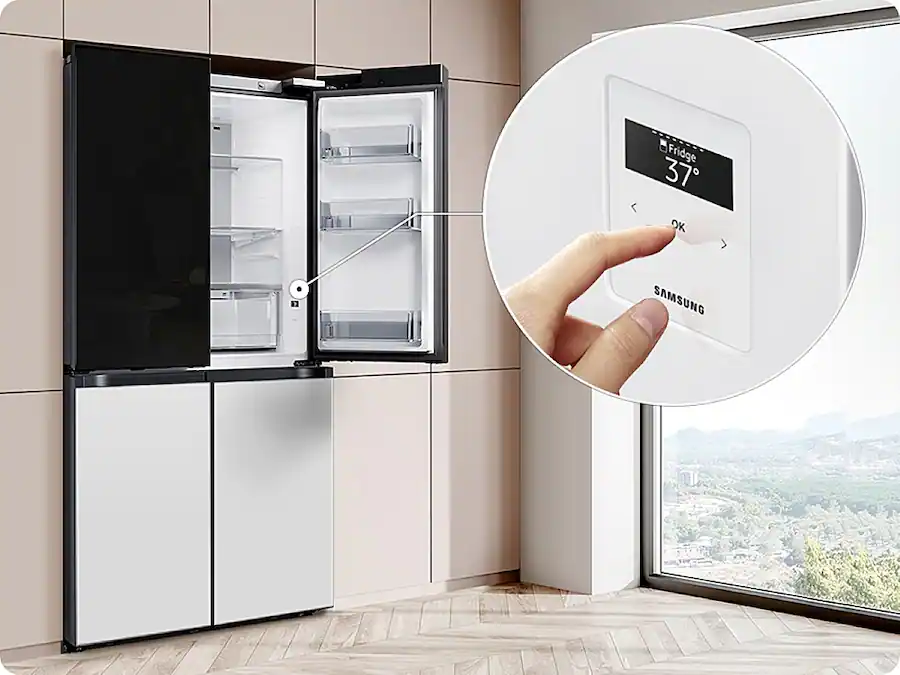
- Temperature-Controlled “Flex Zone” Drawer: Many modern fridges now include a drawer with its own temperature settings. This is incredibly useful for storing vegan cheeses, tofu, or marinating tempeh at a precise, optimal temperature.
- Excellent LED Lighting: You need to be able to see everything, even what’s hiding in the back. Good lighting prevents food from being forgotten and wasted.
|
Our Picks for the Best fridge in 2026
As an Amazon Associate, we earn from qualifying purchases.
|
||
| Num | Product | Action |
|---|---|---|
| 1 | ACFR321White Mini Fridge Compact Refrigerator, 3.2 Cu Ft, White |

|
| 2 | ARCTIC CHEF Mini Refrigerator-Freezer Compartment-Adjustable Thermostat Control-Reversible Doors-Ideal for Dorm, Office, RV, Garage, Apartment-ORANGE, 3.2 CU.FT |
|
| 3 | Frigidaire Retro Compact Fridge with Chiller, 3.2 cu ft Countertop Fridge with Built-In Bottle Opener, Compact Refrigerator for Office, Bedroom, Dorm Room or Cabin - 16.5\\\\\\\"D x 19\\\\\\\"W x 31\\\\\\\"H (Red) |
|
| 4 | FRIGIDAIRE EFR372-BLUE 3.2 Cu Ft Blue Retro Compact Rounded Corner Premium Mini Fridge |
|
| 5 | GE GPV10FGNBB 24\\\\\\\" Top Freezer Refrigerator with 9.93 cu. ft. Capacity 12V DC Power Only LED Lighting and Adjustable Spillproof Glass Shelves in Black |
|
| 6 | Whynter 95 Qt. Wheeled Portable Refrigerator / Portable Freezer for Travel - Chest Freezer / Fridge for Car, Camping, RVs & More, -8°F to 50°F Temperature Range, AC 110V/ DC 12V, FM-951GW, Gray |
|
| 7 | ACFR322 RCA Mini Refrigerator, Compact Freezer Compartment, Adjustable Thermostat Control, Reversible Door, Ideal Fridge for Dorm, Office, Apartment, Platinum Stainless, 3.2 Cubic Feet |
|
| 8 | RCA RFR321-B-Black-COM RFR321 Single Mini Refrigerator-Freezer Compartment-Adjustable Thermostat Control-Reversible Doors-Ideal for Dorm, Office, RV, Garage, Apartment-Black Cubic Feet, 3.2 CU.FT |
|
| 9 | Frigidaire Retro Compact Refrigerator with Chiller, 3.2 cu ft Countertop Fridge, Built-In Bottle Opener, Rounded Corners, Premium, for Office, Bedroom, Dorm Room, Cabin, 18.5D x 20W x 31.5H (Pink) |
|
| 10 | BANGSON Mini Fridge with Freezer, 2 Door Small Refrigerator with Freezer, Small Fridge for Bedroom, 3.2 CU.FT, For Home, Office, Dorm, Garage or RV, White |
|
Frequently Asked Questions (FAQ)
Q: What is the best way to store leafy greens to keep them fresh?
A: For sturdy greens like kale, wash, dry them completely (a salad spinner is your best friend), and store them in an airtight container with a paper towel to absorb excess moisture. For delicate lettuces, store them unwashed in a container or bag with a paper towel.
Q: How long can I store prepped vegan meals in the fridge?
A: Generally, most cooked vegan meals, like grain bowls or lentil soups, will last for 3 to 5 days in an airtight container in the refrigerator. Always trust your senses—if it looks or smells off, it’s best to discard it.
Q: Should I store nuts, seeds, and whole-grain flours in the fridge?
A: Absolutely! The healthy fats in nuts, seeds, and whole grains can go rancid at room temperature. Storing them in the fridge (or freezer for long-term) keeps them fresh and preserves their flavor and nutritional value.
Q: Can I freeze tofu?
A: Yes, and it’s a fantastic trick! Freezing tofu changes its texture, making it chewier and more porous, which allows it to soak up marinades beautifully. Simply drain the block, press it, and freeze it in an airtight container or bag.
Q: How do I stop my avocados from browning so quickly?
A: Once cut, the key is to limit oxygen exposure. Squeeze a bit of lemon or lime juice on the cut surface, and wrap it tightly in plastic wrap or store it in an airtight container. For an even better trick, store the cut half with a sliced onion—the sulfur compounds from the onion prevent oxidation.
Your Fridge, Your Vegan Sanctuary
By rethinking your approach and implementing these strategies, you can transform your refrigerator from a chaotic produce drawer into a highly efficient hub for your healthy lifestyle. A little organization goes a long way in making plant-based eating more sustainable, affordable, and delicious. Mastering fridge storage for vegan meals is a skill that pays you back every single day with fresher food, less waste, and more time to enjoy the vibrant meals you create.