Hey there, and welcome to Fridge Reviewer! If you’re standing in the metaphorical appliance aisle of your mind, scratching your head over one of the biggest small decisions you can make, you’ve come to the right place. The classic Fridge Vs Mini Fridge Comparison is a question we get all the time. Is bigger always better? Or can a compact powerhouse save you space and money? It’s a debate that extends from college dorms to high-end home bars. So, grab a cold drink (from whichever fridge you currently have), and let’s break it down. By the end of this guide, you’ll know exactly which cooling companion is the perfect fit for your life.
What’s the Real Difference, Anyway?
On the surface, it seems simple: one is big, one is small. But the differences run much deeper than just size. The choice you make can impact your wallet, your energy bill, and even the quality of your food. Let’s get into the nitty-gritty.
Size and Capacity: The Obvious Showdown
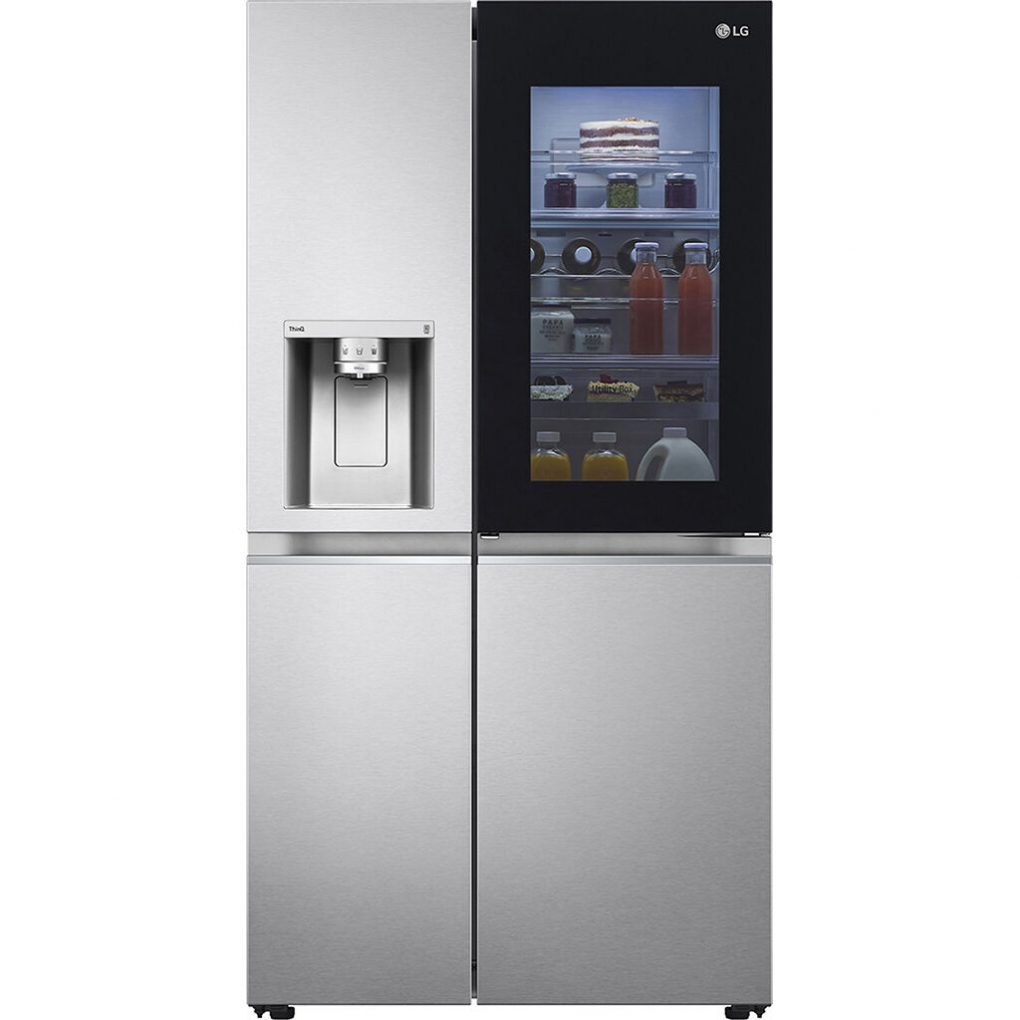
This is the first thing everyone notices. A standard, full-sized refrigerator is a kitchen centerpiece, designed to hold a week’s worth of groceries for a family. We measure fridge capacity in cubic feet (cu. ft.).
- Standard Refrigerators: These typically range from 18 to 30+ cubic feet. A French door model can easily swallow up grocery hauls, large pizza boxes, and holiday leftovers without breaking a sweat. They are built for serious food storage.
- Mini Fridges: Also known as compact refrigerators, these guys usually fall between 1.5 and 5.5 cubic feet. That’s enough space for drinks, snacks, a few yogurt cups, and maybe some takeout. They’re not designed to be your primary food source, but rather a convenient satellite station for refreshments.
Think of it this way: a standard fridge is your home library, while a mini fridge is the convenient paperback you take on a trip. Both serve a purpose, but they aren’t interchangeable.
Energy Consumption: The Silent Budget Killer
Here’s a common misconception: because it’s smaller, a mini fridge must be way more energy-efficient. Not so fast. While a single mini fridge uses less total electricity than a single full-sized fridge, its efficiency per cubic foot is often much worse.
Why? Many compact models lack the advanced insulation and high-efficiency compressors found in their larger cousins. They have to work harder to maintain their cool, especially the cheaper ones. Always look for the Energy Star label, regardless of size. An Energy Star-certified full-sized fridge might have a lower long-term impact on your energy bill than a non-certified mini fridge humming away 24/7.
Cooling Power and Features: More Than Just Cold Air
This is where the fridge vs mini fridge comparison gets really interesting. A standard refrigerator is a piece of sophisticated technology.
- Standard Fridge Features:
- Powerful Compressor Cooling: This is the gold standard for consistent, cold temperatures.
- Separate Freezer Compartment: A true freezer that can keep ice cream frozen solid and prevent freezer burn.
- Advanced Functions: Think crisper drawers with humidity controls, ice makers, water dispensers, smart home connectivity, and precise temperature management.
- Mini Fridge Features:
- Cooling Methods Vary: Some use smaller compressors, but many budget models use thermoelectric cooling. This method is quieter and cheaper but less powerful. It often struggles to get truly cold, especially in a warm room, and is more of a “chiller” than a “refrigerator.”
- Freezer “Box”: Most mini fridges have a tiny internal freezer box that can make ice cubes but won’t reliably keep a pint of Ben & Jerry’s frozen. It’s notorious for frosting up quickly.
Cost: Upfront vs. Long-Term
The initial price tag is a clear win for the mini fridge. You can grab one for as little as $100, while a decent full-sized refrigerator will set you back at least $700, with high-end models running into the thousands.
However, consider the long-term value. A quality refrigerator is a 10-15 year investment in your home. It adds functionality and value. A mini fridge has a much shorter lifespan, typically 4-8 years, and is more of a temporary or secondary solution. The upfront savings are significant, but it’s not an apples-to-apples investment.
When Should You Choose a Mini Fridge?
A mini fridge shines when it’s playing a supporting role, not the lead. It’s all about convenience in a small space. Here are the perfect scenarios for a compact refrigerator:
- The College Dorm: This is the quintessential use case. It’s perfect for keeping drinks, late-night study snacks, and leftovers from the dining hall chilled.
- The Home Office: Why walk all the way to the kitchen? Keep your water, soda, and midday snacks within arm’s reach to stay focused and hydrated.
- The Man Cave or Home Bar: A dedicated beverage fridge is a game-changer for entertaining. No more guests rummaging through your main fridge looking for a beer.
- The Workshop or Garage: Perfect for keeping cold water on hand during a hot summer day of yard work or DIY projects.
- Bedroom or Nursery: Incredibly useful for new parents storing bottles or for keeping medication that needs to be refrigerated in a convenient spot.
I still remember my first college mini fridge. It was a tiny, buzzing box that could hold exactly one six-pack, a carton of milk, and a block of questionable cheese. It wasn’t glamorous, but it was mine, and it was the hub of my dorm room social life. That’s the magic of the mini fridge: small-scale independence.
And When Is a Full-Sized Fridge the Only Way to Go?
Sometimes, you just need the real deal. A full-sized refrigerator is non-negotiable in these situations:
- Your Primary Kitchen Appliance: If you cook at home, store fresh produce, meats, and dairy, a mini fridge simply won’t cut it. You need the space, the reliable temperature control, and the proper freezer.
- Families of Any Size: From a couple to a family of five, the sheer volume of food required for daily life demands a standard fridge.
- Long-Term Living: If you’re furnishing an apartment or a house you plan to live in for more than a year, investing in a proper refrigerator is one of the smartest decisions you can make.
- You’re a Serious Home Cook: If you love meal prepping, storing fresh herbs, and having a variety of ingredients on hand, the specialized compartments and consistent cooling of a full-sized unit are essential.
“I get calls all the time from people trying to use a mini fridge as their main unit in a tiny apartment to save space. Within a few months, they’re calling me to install a real refrigerator. A full-sized compressor is built for durability and consistency in a way a compact unit just isn’t. It’s the difference between a tool and a toy.”
— David Chen, Certified Appliance Technician
The Fridge vs Mini Fridge Comparison: A Head-to-Head Table
For those who love a good visual summary, here’s a quick breakdown:
| Feature | Standard Fridge | Mini Fridge |
|---|---|---|
| Capacity | 18 – 30+ cu. ft. | 1.5 – 5.5 cu. ft. |
| Upfront Cost | $700 – $4,000+ | $100 – $400 |
| Energy Efficiency | Generally more efficient per cu. ft. (especially Energy Star models) | Less efficient per cu. ft.; can be an energy hog |
| Cooling Power | Strong, consistent compressor cooling; true freezer | Varies; may use less powerful thermoelectric cooling |
| Features | Ice makers, water dispensers, smart tech, crisper drawers | Basic cooling; maybe a tiny, frost-prone freezer box |
| Lifespan | 10 – 15 years | 4 – 8 years |
| Best For | Primary kitchen storage, families, home cooks | Dorms, offices, secondary beverage storage, convenience |
Frequently Asked Questions (FAQ)
Q: Does a mini fridge use a lot of electricity?
A: Individually, it uses less than a large fridge. However, it’s often less efficient for the space it cools. A cheap, poorly insulated mini fridge running constantly can definitely make a noticeable bump on your electricity bill, so look for an Energy Star model if possible.
Q: Can you put a mini fridge in a closet or cabinet?
A: It’s generally a bad idea. All refrigerators, big or small, need proper ventilation to dissipate heat from the condenser coils. Boxing one in can cause it to overheat, work less efficiently, and significantly shorten its lifespan. Always leave several inches of clearance around the back and sides.
Q: How long does a mini fridge last compared to a regular fridge?
A: A mini fridge typically lasts between 4 to 8 years, depending on the quality and usage. A full-sized refrigerator is a more durable appliance, with an average lifespan of 10 to 15 years, and sometimes even longer with proper maintenance.
Q: Is a mini fridge powerful enough to store meat?
A: It’s risky. For food safety, raw meat should be stored at 40°F (4°C) or below. Many budget mini fridges, especially thermoelectric ones, struggle to maintain such a consistently low temperature. We recommend only storing raw meat in a high-quality, compressor-based mini fridge or, preferably, a standard refrigerator.
Q: What is the main takeaway from the fridge vs mini fridge comparison?
A: The main takeaway is that the right choice depends entirely on your specific needs. A full-sized fridge is an essential home appliance for primary food storage, while a mini fridge is a fantastic solution for convenience, portability, and secondary storage in a small space.
The Final Verdict
So, where do we land in the great fridge vs mini fridge comparison? The bottom line is this: they are two different tools for two different jobs. Trying to make a mini fridge your primary source of food storage is like trying to build a house with only a screwdriver—you’re going to have a bad time. But for its intended purpose—providing cold drinks at your desk or snacks in the game room—a mini fridge is an unbeatable convenience.
Ultimately, the best choice is the one that fits your lifestyle, your space, and your budget. We hope this deep dive has chilled out any confusion and helped you feel confident in your decision. Now go on and find the perfect fridge—your future snacks will thank you.