So, the big day has arrived. Your brand-new, gleaming refrigerator is on its way, promising perfectly chilled drinks and crisper vegetables. But as you admire its stainless-steel finish, a hulking, beige giant looms in the corner—the old fridge. Knowing how to recycle an old fridge isn’t just about clearing space; it’s a crucial step in being a responsible consumer. You can’t just kick it to the curb with the rest of the trash, and frankly, you shouldn’t want to. Let’s break down exactly how to give your old appliance a proper send-off.
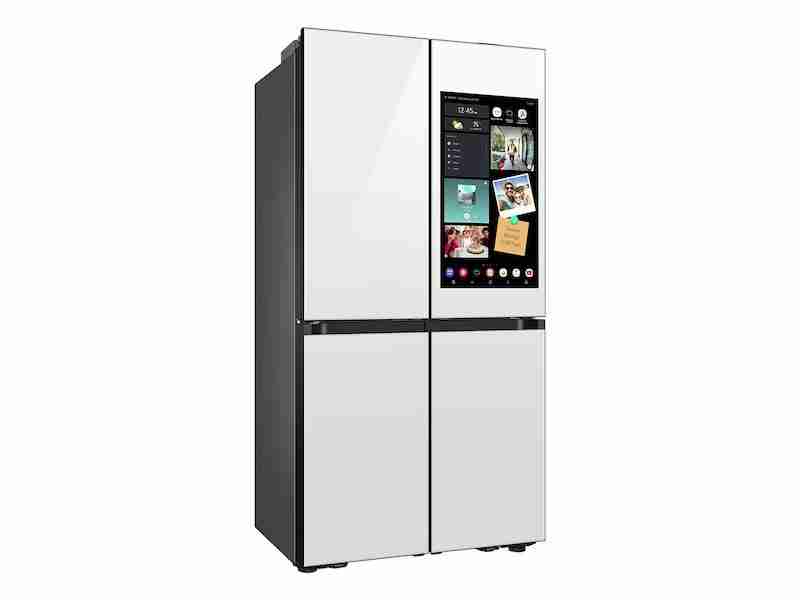
Why You Can’t Just Toss Your Old Fridge
It might seem like just another big, clunky box, but your old refrigerator is a complex piece of machinery packed with substances that can be seriously harmful to the environment if not handled correctly. Think of it as a retired workhorse that needs special care.
Before the mid-1990s, most fridges used refrigerants called chlorofluorocarbons (CFCs), which are notorious for depleting the ozone layer. Newer models use hydrofluorocarbons (HFCs), which are better for the ozone but are potent greenhouse gases. On top of that, the insulating foam in the walls and doors often contains these same chemicals.
Here’s a quick rundown of what’s inside that old unit:
- Refrigerants: CFCs or HFCs that need to be safely captured, not released into the atmosphere.
- Oils and Lubricants: The compressor contains oils that can contaminate soil and water.
- Hazardous Metals: Older models may contain mercury in switches and relays.
- Foam Insulation: This foam needs to be degassed professionally to prevent greenhouse gas release.
Because of these materials, most municipalities have specific laws making it illegal to simply dump a refrigerator in a landfill. The good news? Responsible recycling ensures all these components are dealt with safely, and valuable materials like steel, plastic, and copper get a new lease on life.
How to Recycle an Old Fridge: Your Top Options
Getting rid of that old appliance is easier than you think. You have several convenient, and sometimes even profitable, options for responsible refrigerator disposal.
1. Let the Retailer Handle It
This is often the simplest path. When you buy a new refrigerator from a major appliance store like Home Depot, Lowe’s, or Best Buy, they almost always offer a haul-away service for your old unit upon delivery.
- How it works: You typically add the service to your order for a nominal fee (usually around $25-$50). The delivery team will unhook your old fridge and load it onto their truck right after they install the new one.
- What to ask: Always confirm that their haul-away service includes recycling. Reputable retailers partner with certified recycling facilities to ensure the appliance is disposed of correctly. Don’t be afraid to ask, “Do you recycle the old units, or do they go to a landfill?”
2. Check for Utility Company Rebate Programs
Ready for the best-kept secret in appliance recycling? Your local electric company might actually pay you to take your old, energy-guzzling fridge off their hands. It’s a win-win: they reduce the overall energy load on their grid, and you get a check in the mail.
These programs are fantastic. It’s part of a broader “demand-side management” strategy. By removing inefficient appliances, utility companies can avoid having to build new power plants, which saves everyone money and reduces emissions. I’ve seen customers get anywhere from $50 to $150 back, just for recycling a fridge they needed to get rid of anyway.
These programs, often called “bounty programs,” usually include free pickup from your home. Search online for “[Your Utility Company Name] appliance recycling program” to see what’s available in your area. They typically require the fridge to be in working condition and of a certain size (usually 10 cubic feet or more).
3. Use Your Municipal Waste Service
Many towns and cities offer bulk waste pickup for large items like appliances. This can be a low-cost or even free option, but it requires a bit more legwork on your part.
- Curbside Pickup: You’ll likely need to schedule a special pickup in advance. Check your local department of public works or sanitation website for instructions. Some cities have designated days for bulk items, while others require you to call and make an appointment.
- Drop-Off Centers: Alternatively, your county may have a transfer station or recycling center where you can drop the fridge off yourself. This is a good option if you have a truck and a strong helper. Be sure to check their hours and any associated fees beforehand.
4. Find a Certified Scrap Metal Recycler
If you’re more of a DIY-er, you can take your fridge to a scrap metal yard. However, this comes with a huge caveat: you must ensure they are certified to handle and reclaim refrigerants.
Look for recyclers who are part of the EPA’s Responsible Appliance Disposal (RAD) program. These partners are committed to properly recovering all the harmful substances before shredding the metal. Simply taking it to any old junkyard could result in the refrigerants being vented into the atmosphere, defeating the whole purpose of recycling.
Preparing Your Fridge for Recycling: A Step-by-Step Checklist
Once you’ve arranged for pickup or drop-off, you need to prep the unit. This makes the process smoother and safer for everyone involved.
- Empty It Out: This seems obvious, but double-check every shelf and drawer. Remove all food, condiments, ice trays, and any other items.
- Unplug It: Disconnect the refrigerator from the wall outlet at least 24 hours before it’s moved. This allows the cooling system to settle.
- Defrost and Clean: If you have a freezer with ice buildup, let it defrost completely. Give the interior a quick wipe-down with a simple cleaner. This is a common courtesy, especially if someone is picking it up from inside your home.
- Secure the Doors: Use strong packing tape or a rope to tape the doors shut. This prevents them from swinging open during transport, which can be a safety hazard.
- DO NOT Tamper with Components: This is the most important step. Never, ever try to cut, drain, or remove the refrigerant lines yourself. The refrigerant is under pressure and can cause frostbite or other injuries, not to mention the environmental damage and potential legal fines. Leave this to the professionals.
As a technician, the most dangerous thing I see is when a homeowner tries to “get the Freon out” themselves. It’s illegal, incredibly harmful to the environment, and can cause severe skin and eye damage. The recycling fee you pay is for this exact service—the safe, professional removal of hazardous materials. Please, let the experts handle it.
— David Chen, Certified Appliance Technician
What Actually Happens to Your Recycled Fridge?
Ever wonder where your old refrigerator goes after it leaves your driveway? It’s a pretty cool process.
- Decontamination: The first stop is a specialized station where certified technicians safely drain the refrigerants and oils. They also remove any components containing mercury or PCBs.
- Material Separation: The unit is then dismantled. Valuable metals like copper (from the compressor and wiring) and aluminum are separated.
- Shredding and Sorting: The remaining shell of the fridge—mostly steel and plastic—is fed into a giant shredder. Powerful magnets and other technologies then separate the steel from the plastic and other non-ferrous materials.
- A New Beginning: The recycled steel can be used to make new cars, construction materials, or even new appliances. The plastics, glass, and other metals are also sent off to be repurposed.
By choosing the right way to recycle your old fridge, you’re not just getting rid of junk; you’re contributing to a circular economy, saving energy, and protecting our planet. And once that old clunker is gone, you can fully enjoy your new, more efficient model. Thinking about what to get next? Check out our [guide to the best energy-efficient refrigerators of 2024].
Frequently Asked Questions
How much does it cost to recycle an old fridge?
The cost can range from free to around $75. Utility company programs are often free and may even pay you. Retailer haul-away services typically cost between $25 and $50. Municipal pickup fees vary widely by location, so check with your local waste management authority.
Can I get paid to recycle my old fridge?
Yes! Many electric utility companies offer “bounty” or rebate programs that pay customers (often $50 or more) to recycle old, working refrigerators and freezers. Search for your local utility’s appliance recycling program to see if you qualify.
Is it illegal to just dump a refrigerator?
In most places, yes. Due to the hazardous materials they contain, refrigerators are banned from landfills in many states and municipalities. Illegally dumping one can result in significant fines.
How do I find a certified refrigerator recycler near me?
A great place to start is the EPA’s Responsible Appliance Disposal (RAD) program website. They have a partner map that can help you locate certified recyclers in your area. You can also search online for “appliance recycling near me.”
Do I need to remove the doors before putting a fridge on the curb?
While not always legally required for recycling pickup, it is a recommended safety practice, especially in older models. The primary reason for door removal was to prevent children from getting trapped inside. For modern recycling programs, taping the doors securely shut is usually sufficient.
Knowing how to recycle an old fridge is a small but impactful part of modern life. By choosing one of the responsible options—be it a retailer take-back, a utility rebate, or a municipal service—you ensure your old appliance doesn’t become a burden on the environment. You’ve done your part, cleared out the clutter, and now you can go back to organizing the shelves of your new fridge.